Nils Schmitz · 2 September 2026
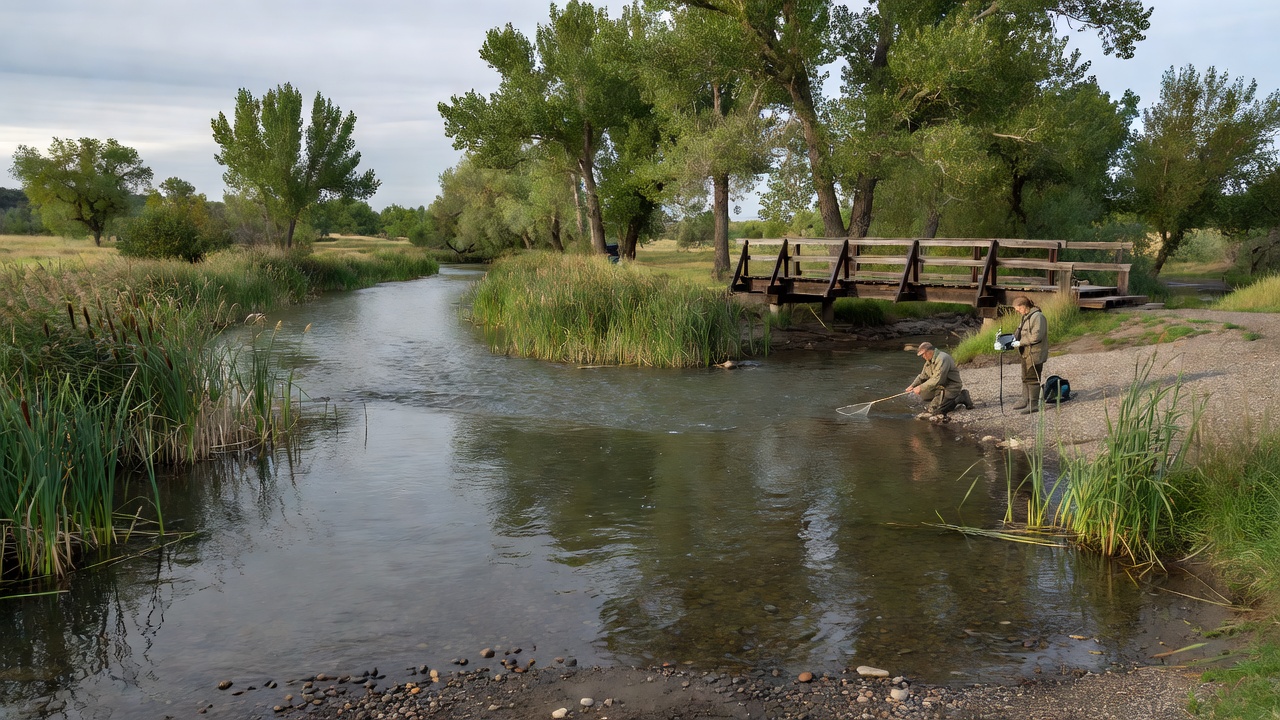
Water quality reports from several monitoring stations in Sand Creek have been released this week, providing insights into the health of the local waterway. The data collected over the past month shows stable levels of key indicators such as pH, turbidity, and dissolved oxygen. Residents and environmental groups are reviewing these findings closely as they relate to both recreational use and ecological balance in the area. The monitoring program involves collaboration between city environmental services and state agencies to ensure accurate and timely data collection. Samples are taken weekly and analyzed in certified laboratories.
Station Specific Data Analysis
The primary monitoring station near the creek's entry point recorded a pH level of 7.2, which falls within the acceptable range for aquatic life. Turbidity was measured at 5 NTU, indicating clear water conditions. Dissolved oxygen levels averaged 8.5 mg/L, supporting healthy fish populations. Secondary stations downstream reported similar trends, with minor variations attributed to seasonal changes and recent rainfall. Nitrate concentrations remained below 2 mg/L across all sites, well under the threshold for concern. These results suggest that ongoing conservation efforts are having a positive impact on the creek's ecosystem. Experts note that bacteria levels, including E. coli, were low at most locations, allowing for safe swimming in designated areas. However, one station near an agricultural runoff area showed slightly elevated readings, prompting further investigation by local authorities. Continuous monitoring is recommended to track any fluctuations that could affect water usability.
Future Monitoring and Public Safety
Local officials plan to increase the frequency of tests during the summer months when usage peaks. Educational campaigns are being developed to inform the community about maintaining water quality through responsible practices like reducing fertilizer use and proper waste disposal. The reports emphasize the importance of preserving Sand Creek as a vital resource for the region. Overall, the current data reflects a waterway that is maintaining good health, but vigilance remains key to preventing potential issues. Additional stations may be installed in the coming year to provide more comprehensive coverage. Community members are encouraged to report any unusual observations to the environmental department. The collaborative approach ensures long-term sustainability and public awareness of local water resources.